Posts by Christopher Comstock
The Male Honey Bee Drone

Male Honey Bee Drones Male honey bee drone, called drones, develop from unfertilized eggs. Fertilized eggs become females—either queens or workers. Because drones come from unfertilized eggs, they have no father. The technical term for this is haploid, meaning they carry only half the genetic material of the queen and none from her mates. A…
Read MoreThe Queen Bee

The Queen Bee Everyone knows there is one special bee in the hive—the mother of all bees, the fertile daughter, and even the genetic source of every bee in the colony. A virgin queen usually goes unnoticed and receives no special treatment until she mates. A laying queen, however, becomes the center of the hive’s…
Read MoreThe Worker Bee
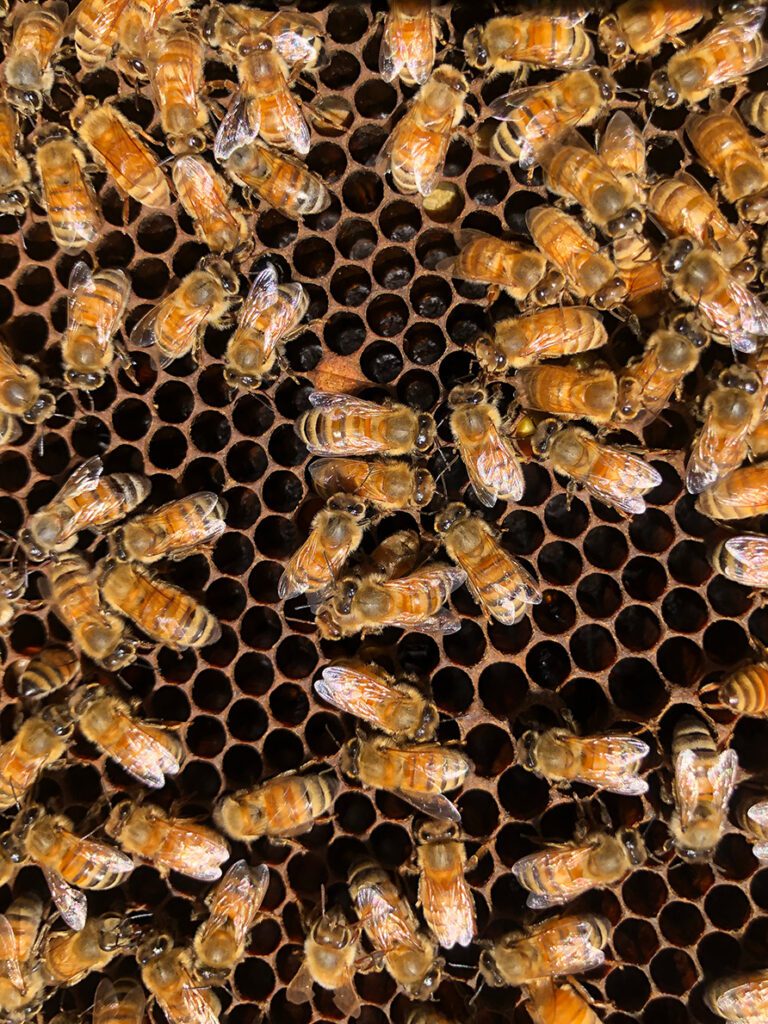
The worker bee – the bulk of the hive is made up of non-reproductive female workers. As their name implies, workers do the bulk of the work in and out of the hive, and they make up more than 80 percent of the population. Their roles are determined by their age and the needs of…
Read MoreBeekeeping Seasons

Beekeeping Seasons Beekeeping is a year-round responsibility with tasks that change by season. Activity is busiest in the spring and summer, slows in the fall, and centers on colony survival during the winter. In spring (March–May), beekeepers set up hives, conduct inspections, and manage swarming. Summer is dedicated to monitoring nectar flow and harvesting honey.…
Read MoreWhat Kind of Bees Live in a Beehive
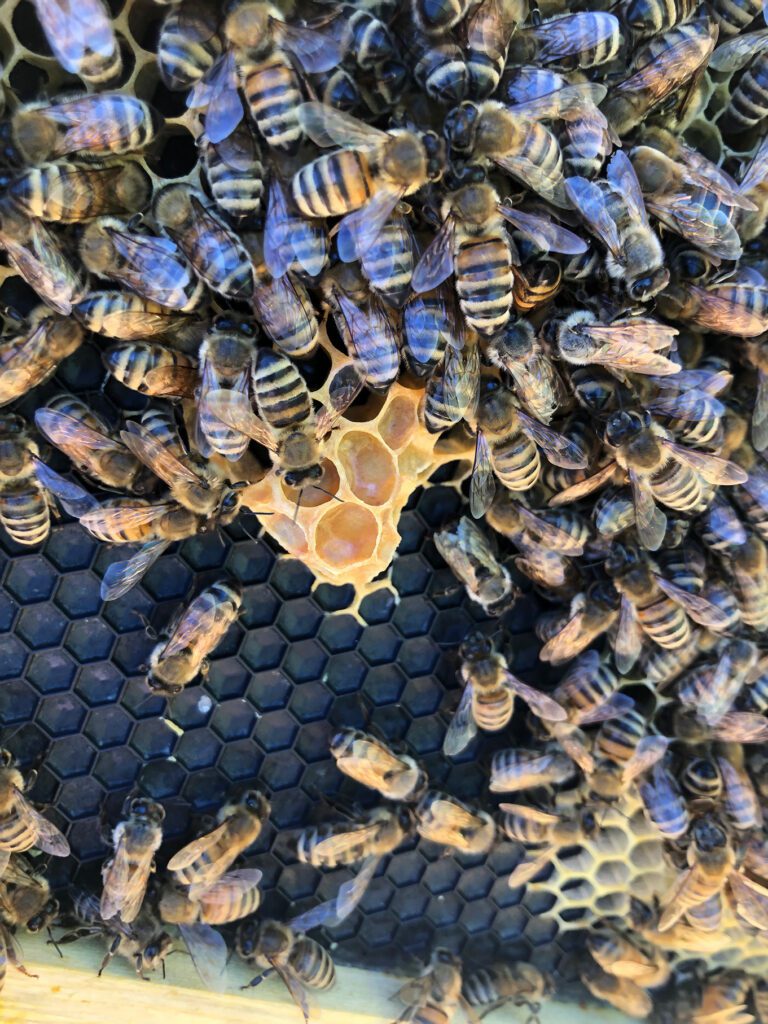
The Queen Bee Somewhere in the undulating mass of bees is the queen. Several physical attributes set the queen apart from the workers. Her thorax is larger than workers and the black spot on the back of her thorax is bigger and shinier. Her abdomen is much longer than the workers’, making her wings appear…
Read MoreHoney Bee Broodnest
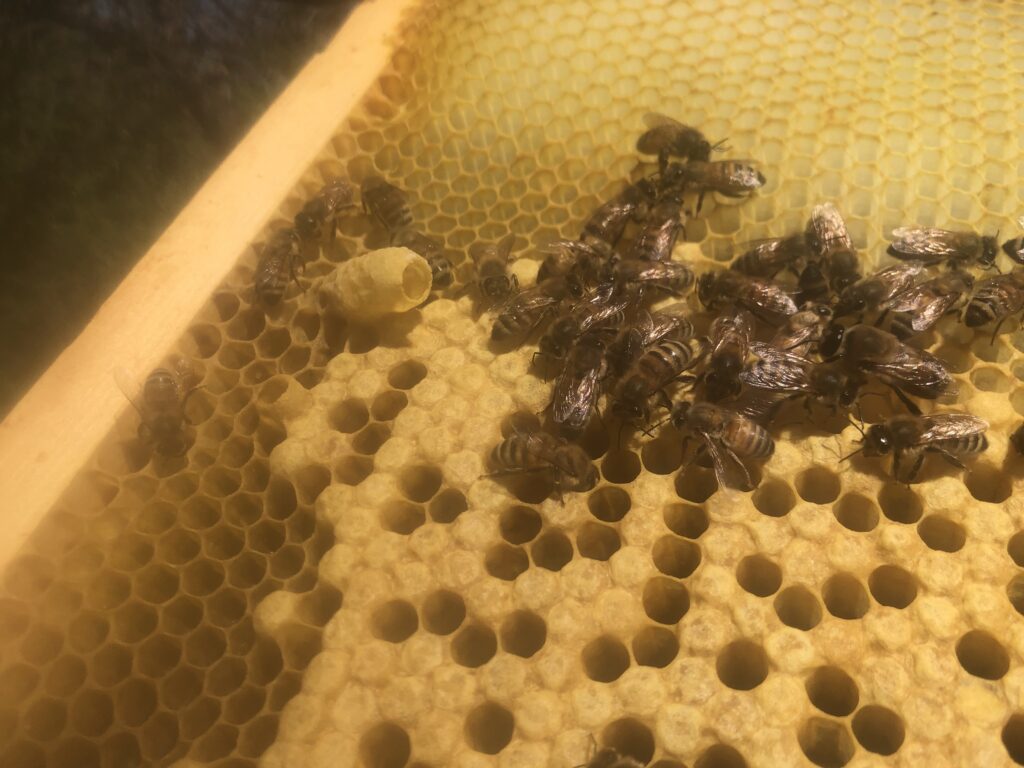
The core of the bee hive’s activity centers around the broodnest. The queen typically lays eggs in a spiral pattern in the broodnest, starting from the center and working her way out. As she moves around the comb the queen pokes her head into cells for inspection. If a cell seems promising she’ll go into…
Read MoreBeekeeping Vocabulary
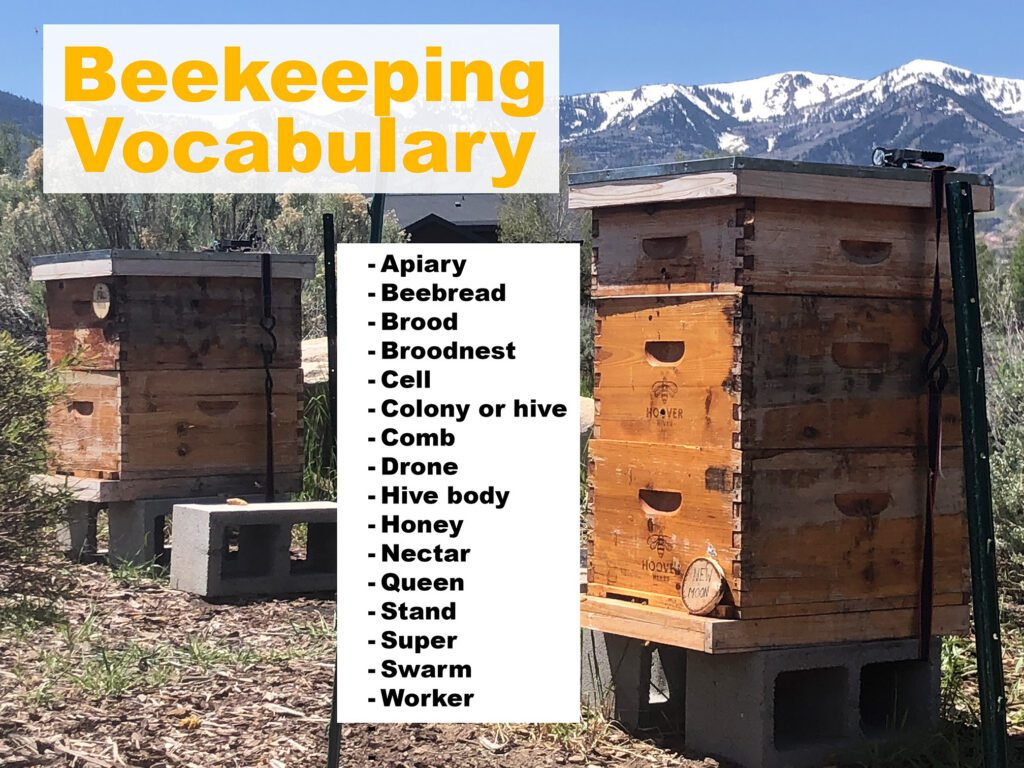
I’m fairly new to beekeeping, and I joined a company where we manage over 70 local beehives. I jumped in quick and learned there is a Beekeeping Vocabulary. Calling a Super the box thing doesn’t communicate very well. Occasionally you may have to buy something like a frame for your hive, knowing that it’s called…
Read MoreNatural Beekeeping Principles

Natural Beekeeping is managing bees without synthetic chemicals or antibiotics low-intervention, approach prioritizing bee health over maximum honey production and avoiding artificial feeding. This method focuses on fostering resilient, locally adapted colonies. Natural Beekeeping is what we strive for with the hives that we manage at Root Revival Park City Utah. Unlocking Honey Bee Secrets The Complete…
Read MoreGrowing Brussels Sprouts / The Utah Garden How To Guide
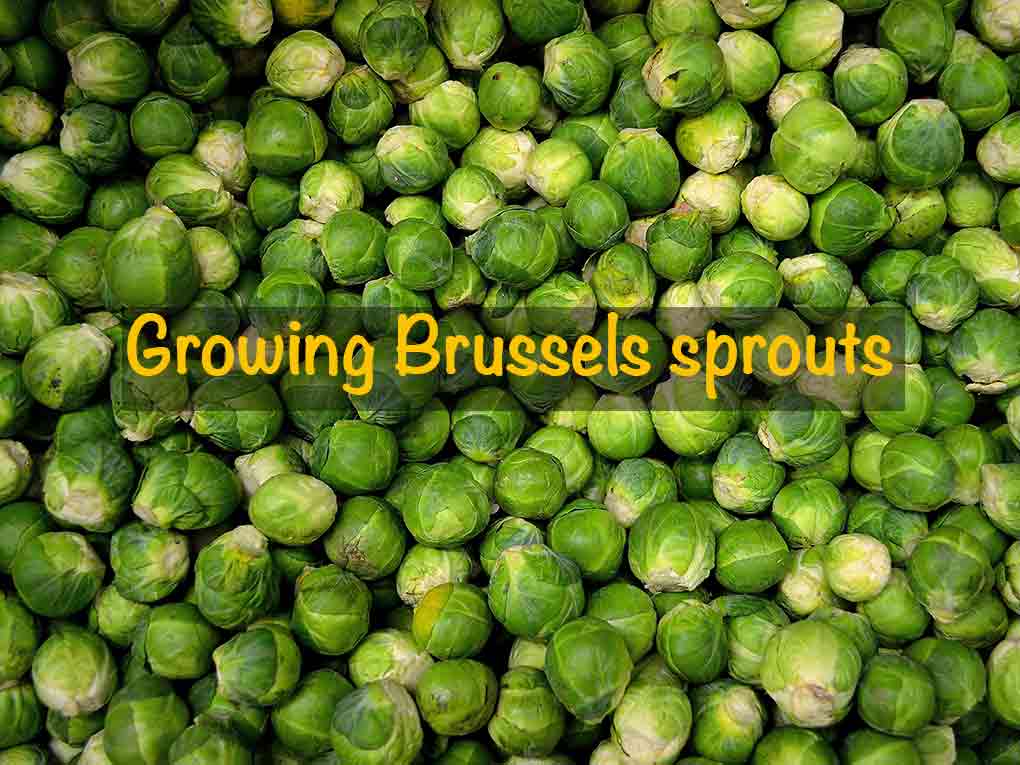
Growing Brussels Sprouts / How To Guide Growing Brussels Sprouts Is Easy In Cool Climates Growing Brussels sprouts is easy in cool climates like Park City Utah. Brussels sprout are cool season vegetable that prefer a sunny location and fertile, well-drained soil. Incorporate plenty of organic matter and a complete fertilizer into the area before…
Read MoreGrowing Broccoli In Utah
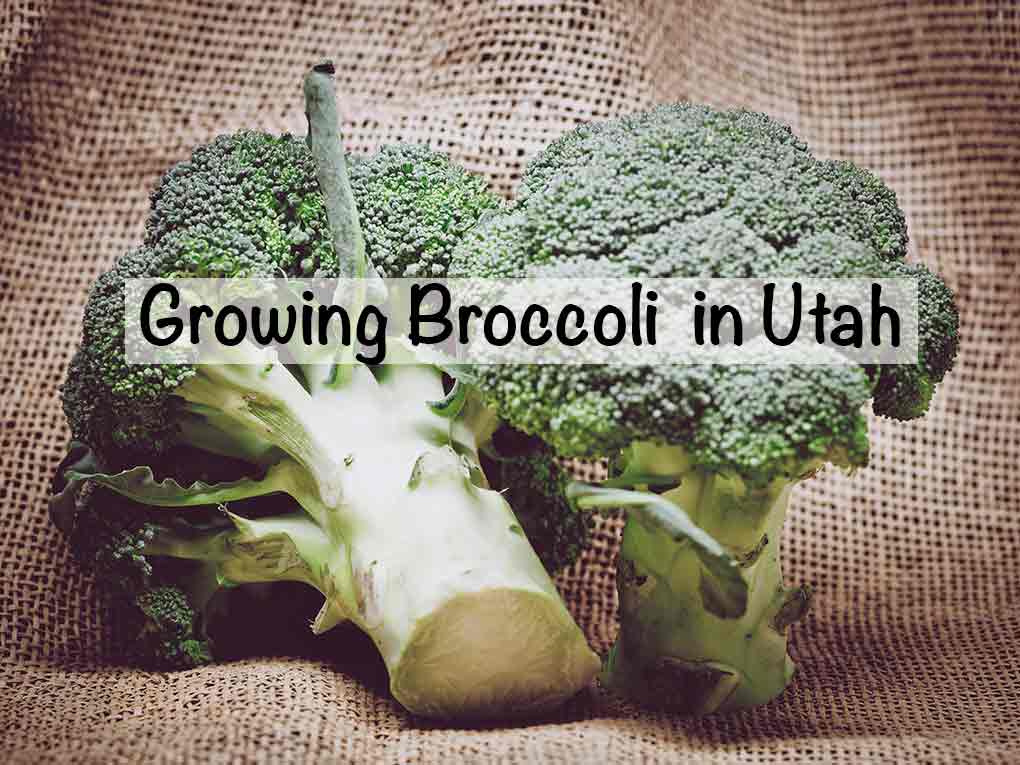
Broccoli is a cool season vegetable Growing broccoli in Utah. Broccoli is a cool season vegetable that prefers sunny locations and fertile, well-drained soil. Incorporate plenty of organic matter and a complete fertilizer into the area before planting. Plant seeds 1/4-3/4 inch deep, 2-3 weeks before the last frost in the spring. Thin seedlings or…
Read MoreGrowing Beets In Garden
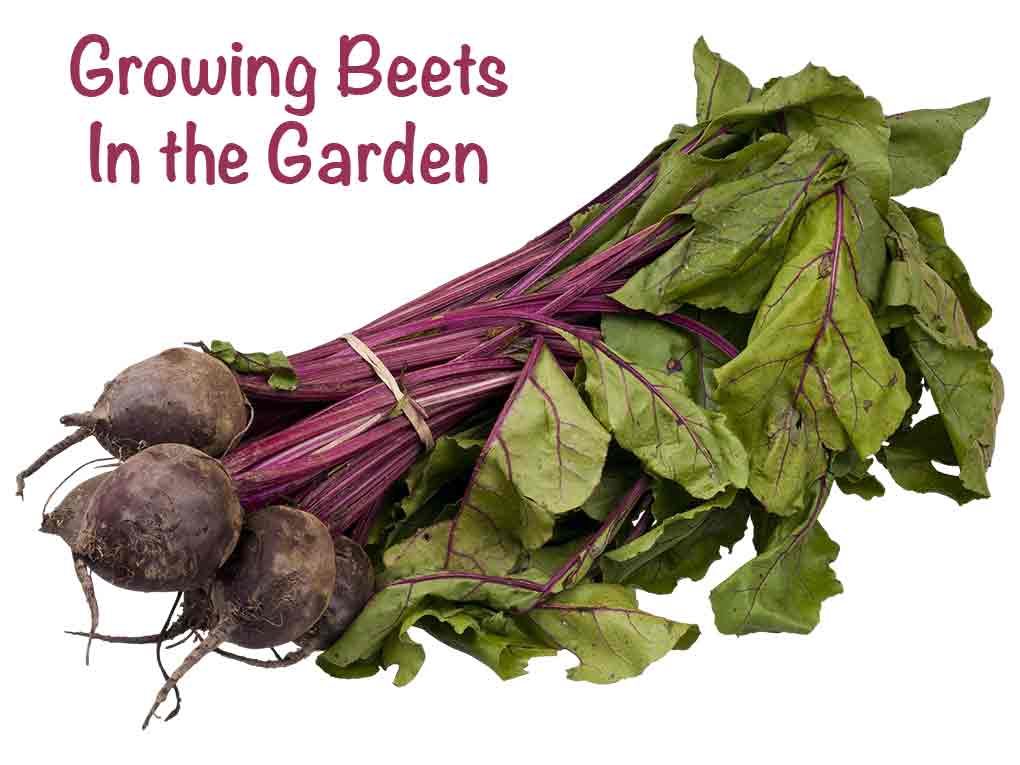
Growing Beets In Garden Growing beets in garden can be successful in cool climates like here in Park City, Utah. Beets are a cool season vegetable that prefer sunny locations and fertile, deep, well-drained soils. Incorporate plenty of organic compost and a complete fertilizer into the area before planting. Plant seeds 1/4 – 1/2 inch…
Read MoreHow do Beans Grow? / Growing Garden Beans
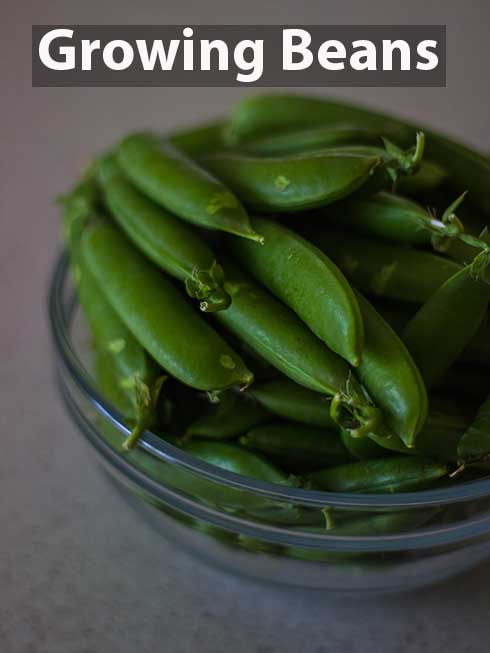
How do Beans grow? How do Beans grow? This guide on growing beans is primarily focused on the Utah area. All bean require full sun. It’s recommended to incorporate plenty of organic matter and a complete fertilizer into the soil before planting. Plant beans when soils are above 60 degrees F. The seeds should be one…
Read MoreHow Does Asparagus Grow?
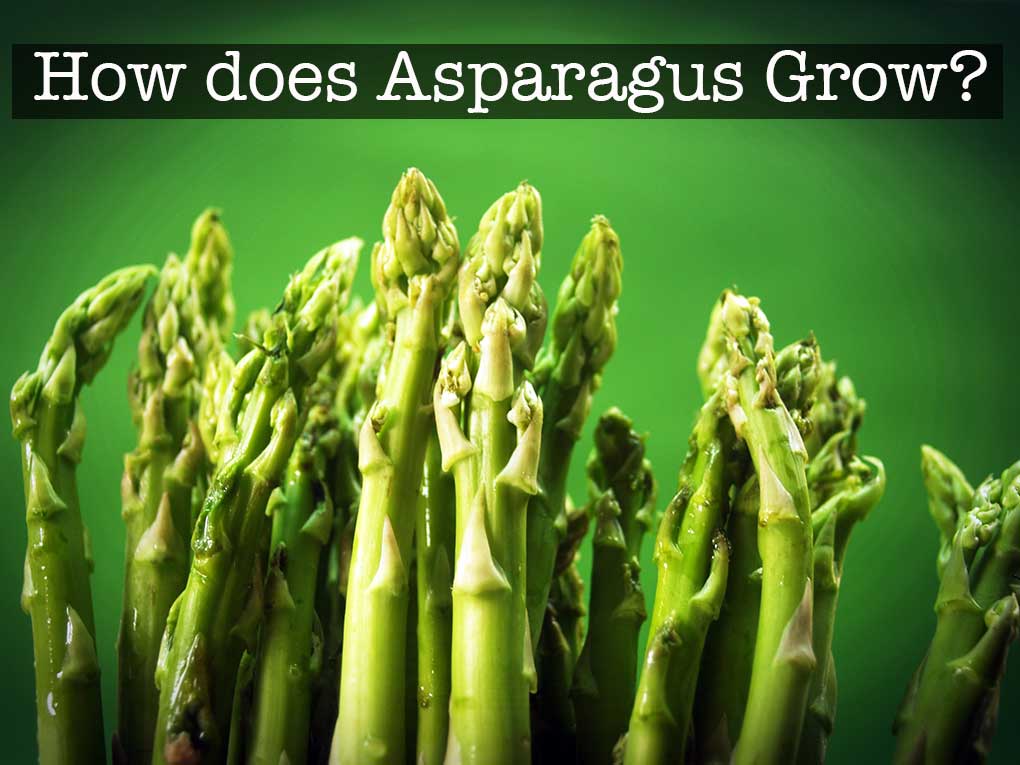
How Does Asparagus Grow? How Does Asparagus Grow / how to guide is primarily focused on high altitude gardening in the Park City Utah area. The all male varieties like Jersey Giant and Jersey Knight perform well in Utah. Asparagus is a long term relationship. Just like a pet in the 1st two years this…
Read MoreGrowing Blueberries In Utah
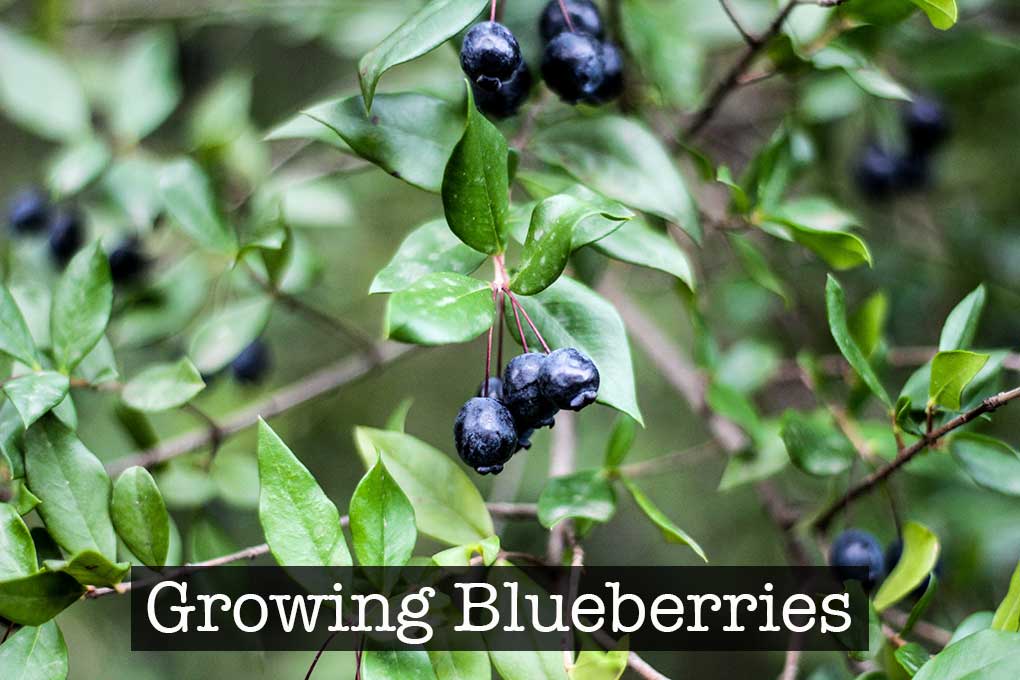
Not Native to Utah Growing Blueberries In Utah can be difficult and I probably don’t recommend it. U.S. consumers have become increasingly interested in blueberries. Part of this is due to the exceptional flavor and versatility of the berries, while some of the interest can be attributed to recent discoveries regarding the health benefits of…
Read MoreGrowing Artichokes / How To Guide
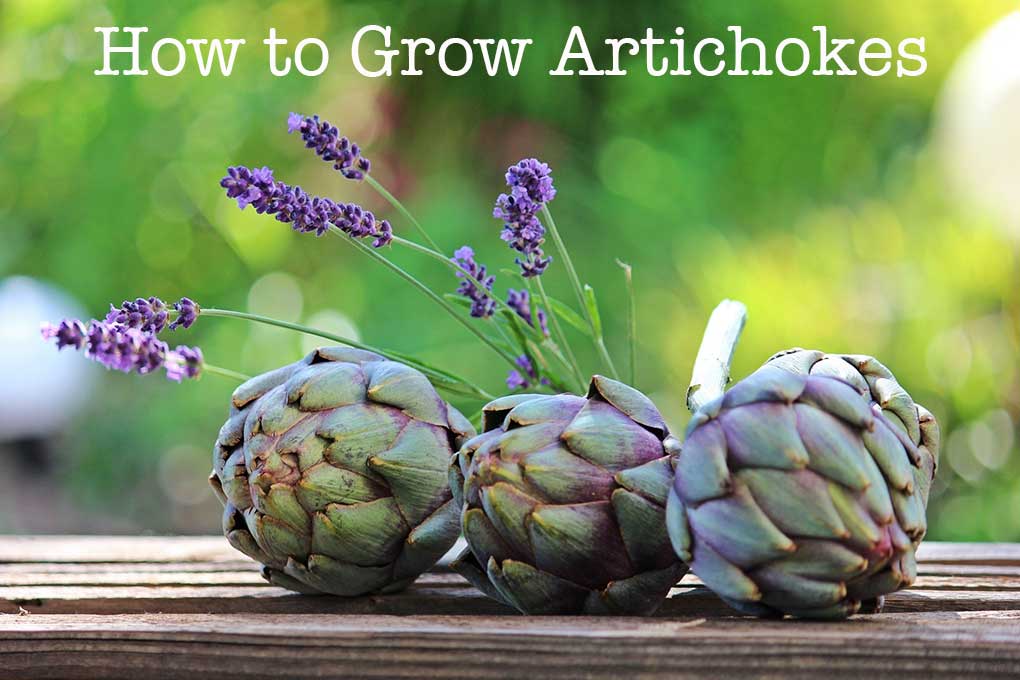
Artichoke are Frost and Freeze Sensitive Growing Artichokes / how to guide is primarily focused on high altitude gardening in the Park City Utah area. Artichoke pefers a sunny location and fertile, well drained soils. Incorporate plenty of organic matter into the area before planting. Start plants in late winter for early spring planting. Plant…
Read MoreGrowing Basil / How To Guide
Basil Loves Warm Weather Growing basil / how to guide is primarily focused on high altitude gardening in the Park City Utah area. Basil loves warm weather, lots of sun and plenty of moisture. High summer temperature are responsible for basil going to seed. You will have to wait to plant basil until mid June…
Read MoreColdframe Winter Gardening / Park City Utah
Coldframe winter gardening can be done in fairly extreme climates. It’s February which ends the Persephone garden hibernation cycle. The sun is now strong enough that the spinach I planted in late September, will begin to grow again. I just need to turn on the lights. The windows that sit on top of the cold…
Read More